


Frequently asked questions
What is this made from?
The exact materials for this piece are listed in the specifications above. Across the range we use untreated cedar, kiln-dried hardwood, metal, ceramic, glass, recycled cotton and preserved moss. A few designs — window feeders and the recycled-plastic range — do use plastic, and where they do it is stated on the product page.
Will it look exactly like the photo?
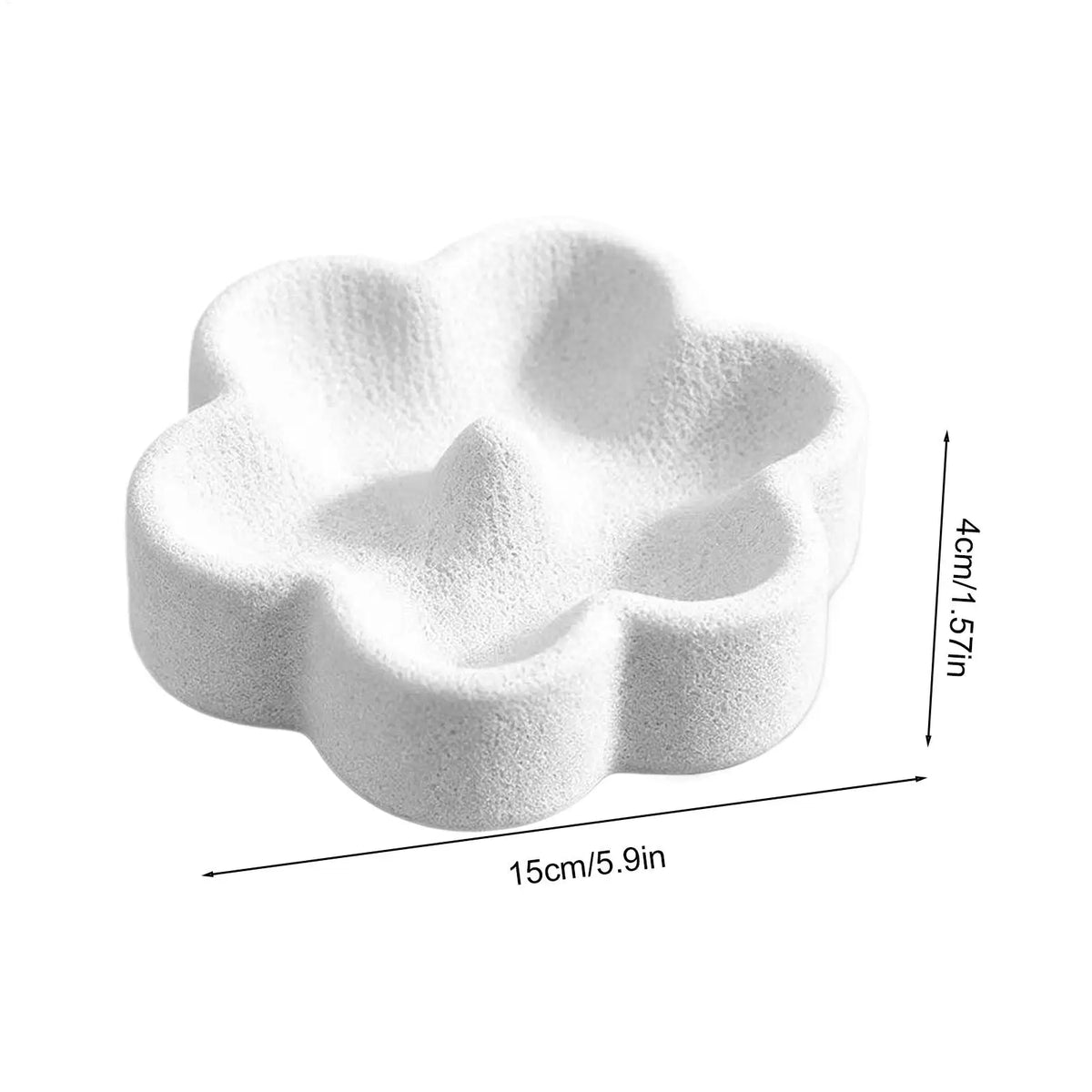
Images are representative. Our range comes from a number of independent workshops and suppliers, so an item may occasionally differ slightly from the photo in finish, grain, colour or small details. Natural wood and hand-finished pieces are never identical to one another. We are bringing more of the range into our own inventory to reduce this. If what arrives is not what you expected, email support@birdlover.store — returns are free for 30 days.
How does shipping work?
Shipping is free on every order, to all 28 countries in our delivery zone — you will see whether yours is covered at checkout. The range comes from a number of different small workshops and suppliers, so dispatch times vary from piece to piece, and items in the same order may arrive separately. We would rather not quote a delivery window we cannot keep, so we do not: you will get tracking by email as soon as your order ships.
Can I leave it outside all year?
Nearly everything here is built for year-round outdoor use — check the specifications above if you are unsure about a particular piece. Untreated wood will silver and weather over time; that is normal and does not affect how it works.
What if it is not right?
Return it within 30 days of delivery for a refund, for any reason. Return shipping is free — email support@birdlover.store and we will send you a prepaid return label. If it arrived damaged or we sent the wrong item, send a photo and we will put it right straight away. Refunds are issued within 5–7 business days of the item reaching us. EU customers also have a 14-day right of withdrawal.